
UX design methods in a mind map
TL;DR: If you're wondering when to apply which design methods or if you're interested in a product design/UX knowledge map, 👉 this mind map This can help you. The rest of this article is a detailed explanation of the map.
Why?
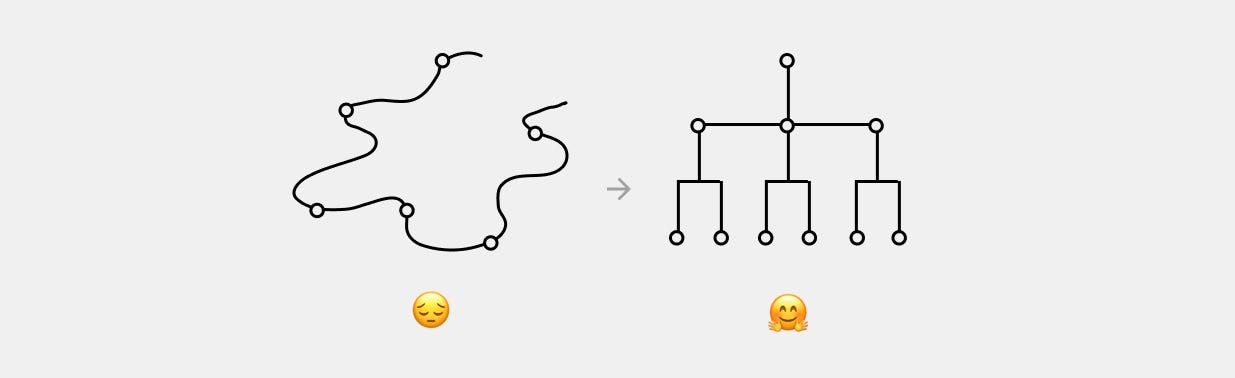
Why bother making a map? The answer is to connect the dots systematically. In our daily lives as designers, we practice many methods and skills – some are useful, but others are not. We need a 'when to use what' guide on paper. And a mind mapping exercise can help. It also provides an overview of all the methods needed throughout the design process.
How?
How to begin? First, identify a design process. Mine is 'understand, define, ideate, execute, and validate'. Lean UX and Stanford design thinking, for example, are available for use. Next, map out appropriate methods and skills for each stage of the process. Most importantly, designers should be involved in all phases of the process.

What ?
A mind map of methods / skills / knowledge. View map
As designers, we need to understand not only the user experience, but also the business, the technology, the communication skills, etc. I color-coded the map based on these categories.
1. Understand
In the understanding phase, we put ourselves in the user's shoes and understand their likes and dislikes, context, needs, pain points, etc. Meanwhile, we learn about the business: What is the revenue model? What are the metrics for measuring business success? What are the challenges? What stage of the product lifecycle are we in?

2. Define
In the Define phase, we work with the team, especially the product manager, to uncover problems and opportunities. The ability to gather insights, synthesize data, and abstract inputs to a problem is very important.

3. Ideate
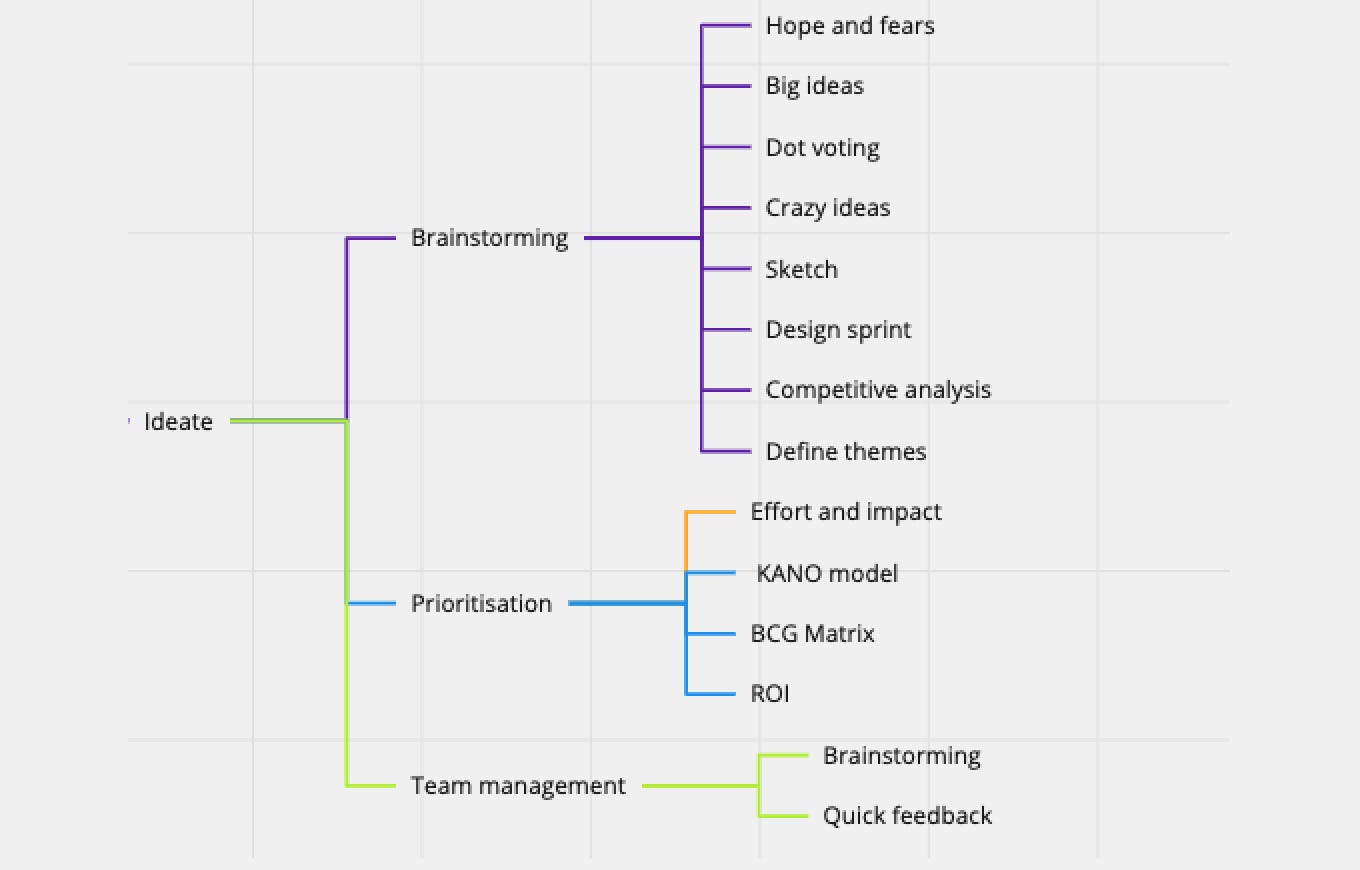
We create ideas that lead to a win-win situation for both users and companies. Involve the team at this stage so everyone can contribute their expertise. Ensure ideas are planned and ultimately become the product. Also, consider how to measure success.
4. Execute
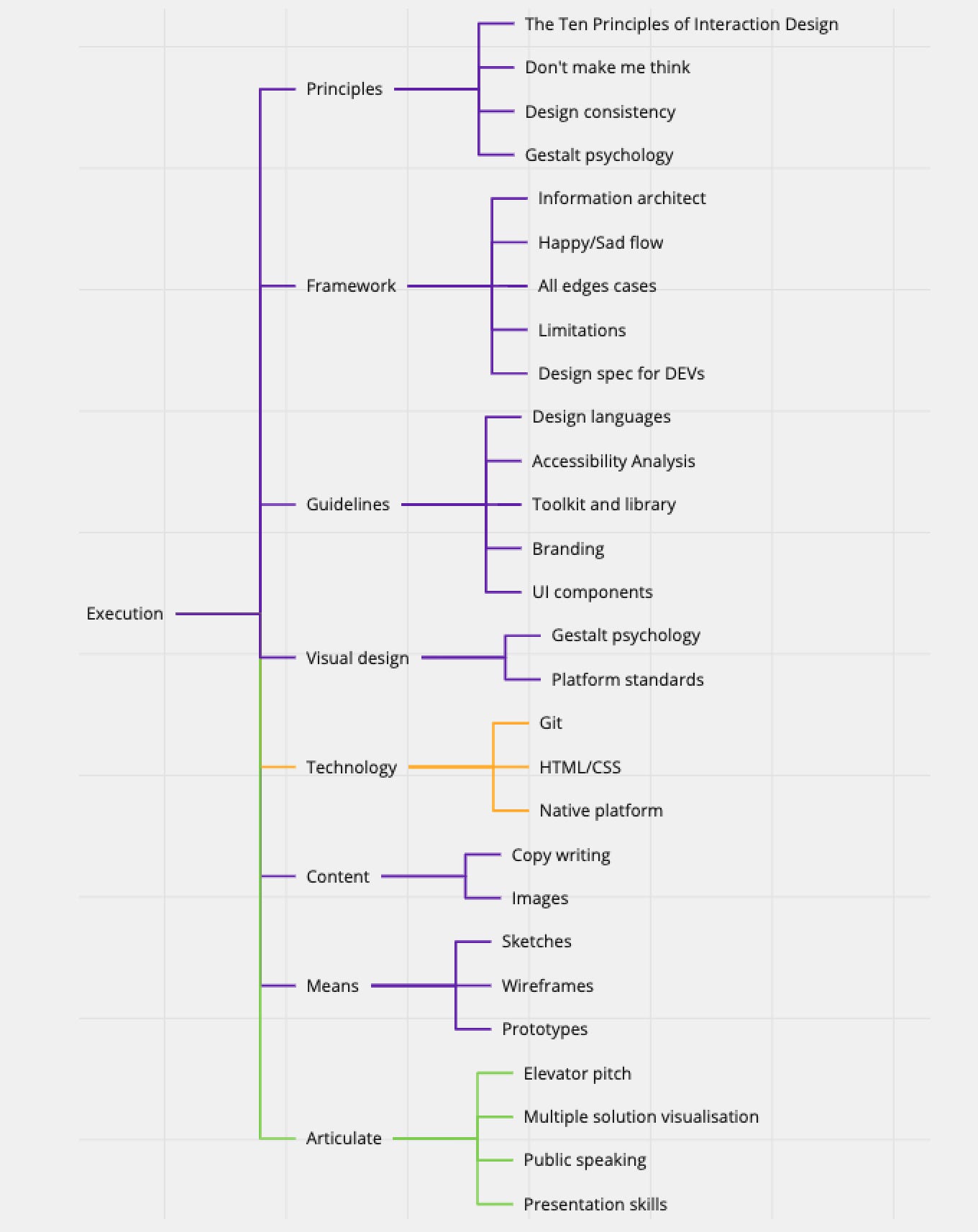
This execution phase is about creation and communication. Theoretical knowledge is the foundation, empathy for users is essential, and feedback from developers or others helps us succeed. Organizing a delivery meeting with the developers is always helpful, as is presenting a well-thought-out workflow with all the medical examiner cases and an animated prototype.
5. Validate
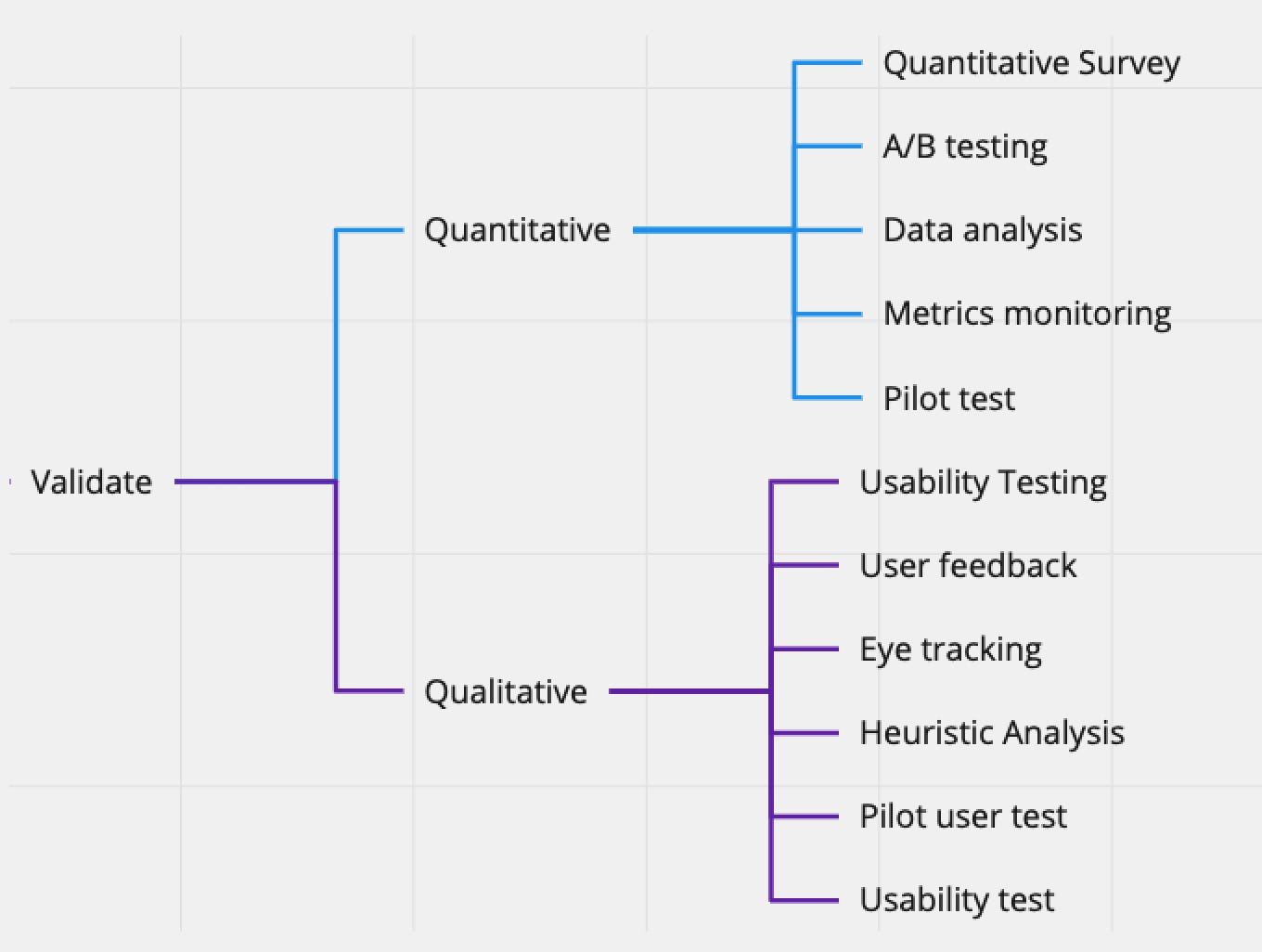
Different stories have different ways of being validated. Besides checking if what you predicted is correct, pay attention to other metrics or feedback. Also, ensure that qualitative research is part of the initial process so you have a solid foundation to support your business claims. Never forget to follow up after validation: what can you improve? What new opportunities arise? Do you need further validation?
Link to the full map: https://miro.com/app/board/o9J_ktZHnRA=/
So, start making a mind map for yourself! Keep thinking about 'when to use what' and developing your map day by day. Eventually, it will help you develop a framework for tackling problems.


