Sale!
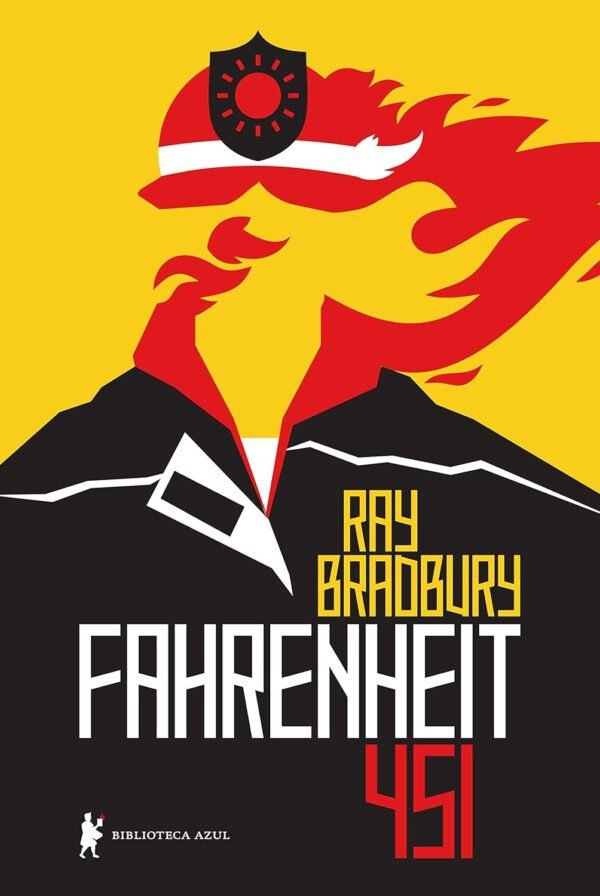


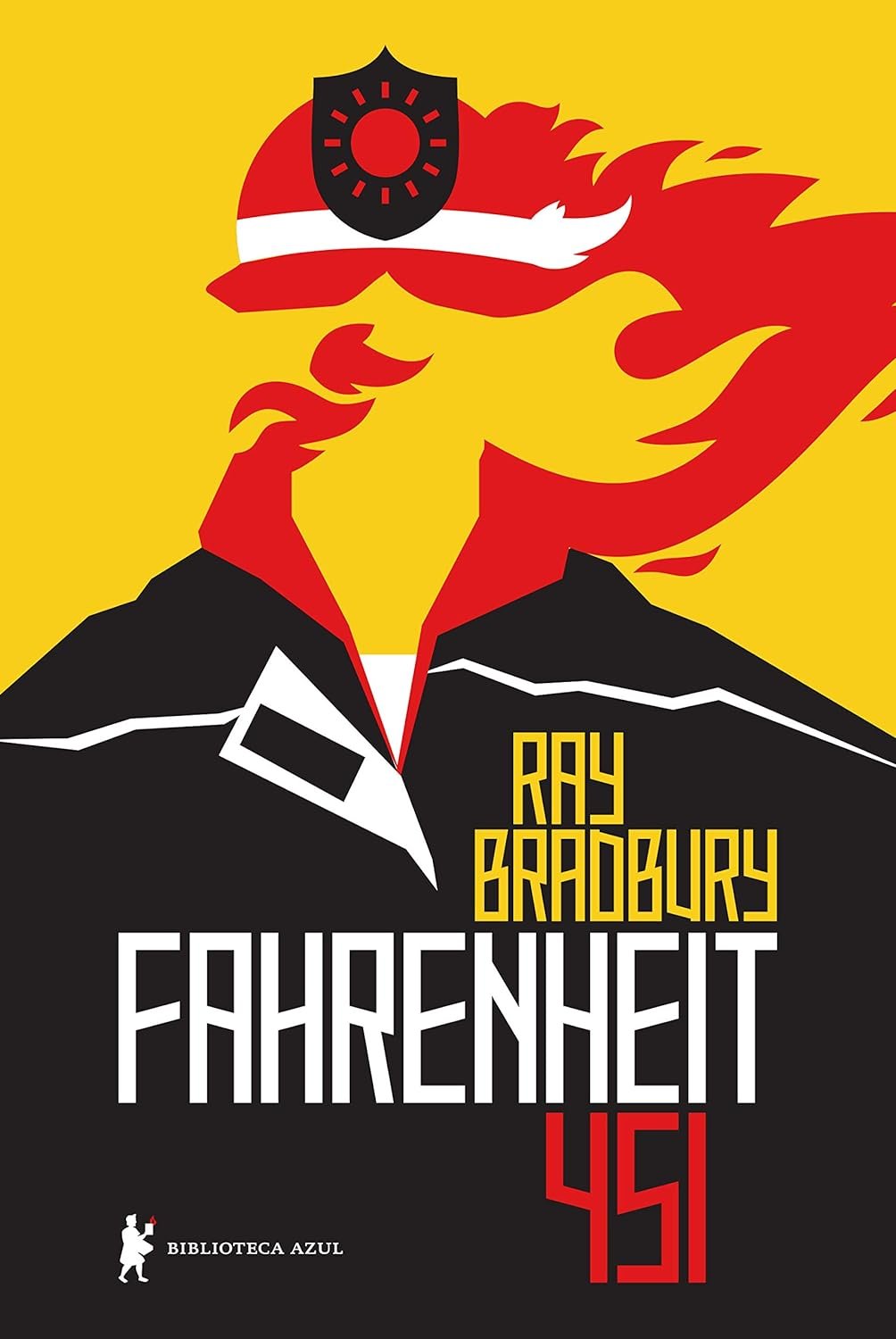


Fahrenheit 451 – Special Edition
Original price was: 16,25 €.8,95 €Current price is: 8,95 €.
Original price was: 16,25 €.8,95 €Current price is: 8,95 €.
Featuring a hardcover and new graphic design, this special edition also includes a text by the author about the creation of the book, introductions by Neil Gaiman and biographer Jonathan R. Eller, a text by Margaret Atwood, and excerpts from the diary of François Truffaut, the director who adapted the book for film in the 1960s.
“"Science fiction is a great way to pretend you're talking about the future when, in reality, you're attacking the recent past and the present," said Ray Bradbury.
Guy Montag is a fireman. His job is to burn books. In a world where people live for screens and literature is threatened with extinction, books are forbidden objects, and their possessors are considered criminals. Montag never questioned his job; he lives an ordinary life, fulfills his duties, and returns at the end of the day to his wife and the routine of home. Until he meets Clarisse, a young woman with suspicious behavior, full of imagination and good stories. When his wife suffers a mental breakdown and Clarisse disappears, Montag's life will never be the same again.
A classic of science fiction and dystopian literature, Fahrenheit 451 – which was originally written as a short story before becoming a novel – was created during the McCarthy era, the systematic censorship of art promoted by the American government in the 1950s. Bradbury used to say that the banning of books was not the central reason that led him to compose the work, but rather the perception that people were becoming less and less interested in literature with the emergence of new media, such as television.
Adapted for film twice, first by the legendary French filmmaker François Truffaut, and later for various other formats, Fahrenheit 451 is a powerful critique of authoritarian regimes of any era. A political work and one of the most censored books in the world, it is rediscovered with each new generation because it still has something important to tell us.